BLOG
![Tarpon Fly Fishing in Belize [A Basic Guide]](https://images.squarespace-cdn.com/content/v1/55267a84e4b0410f3276ac29/1588198973957-5SV9Z1W0RXLPGQTL8GM6/Screen+Shot+2020-04-29+at+3.22.28+PM.png)
Tarpon Fly Fishing in Belize [A Basic Guide]
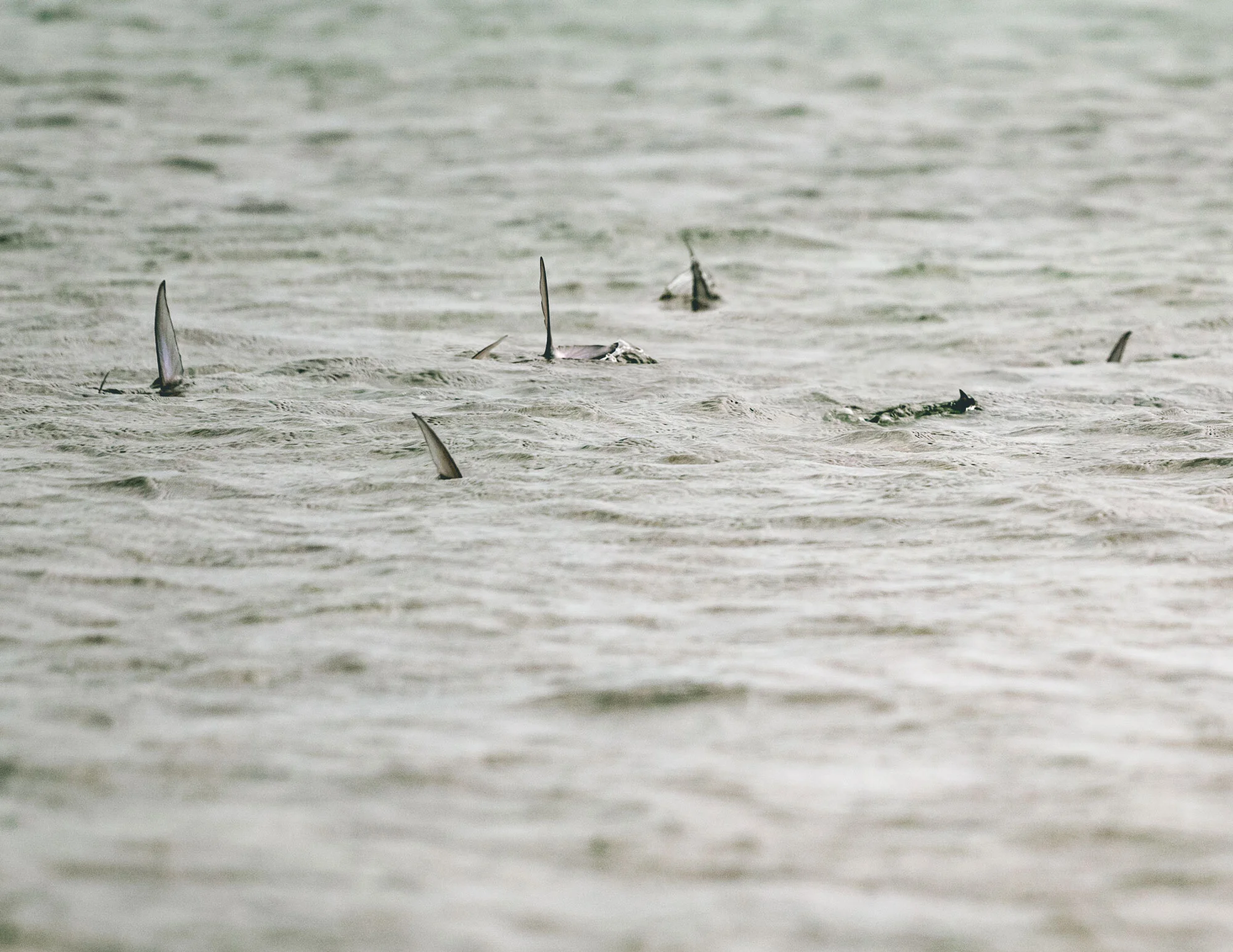
Tarpon are one of the three fish species to make up the grand slam (permit and bonefish are the other two), they are known for their large size, long fights and rod busting runs and jumps. They are the king and queens of the flats. Catching and landing a tarpon on a fly is an accomplishment for every angler. After you hook one of these beasts the battle has just started and be ready to pour out all the energy you have as landing a tarpon is often harder than hooking a tarpon.
Tarpon are one of the three fish species to make up the grand slam (permit and bonefish are the other two), they are known for their large size, long fights and rod busting runs and jumps. They are the king and queens of the flats. Catching and landing a tarpon on a fly is an accomplishment for every angler. After you hook one of these beasts the battle has just started and be ready to pour out all the energy you have as landing a tarpon is often harder than hooking a tarpon.
In Belize and specifically Southern Belize we are lucky to have resident tarpon that are present in our fisheries 365 days a year. Meaning we can fish for tarpon every day of the year. Tarpon reside in both brackish rivers as well as in the ocean in larger channels and on the flats. They are fueled by bait, wherever the bait is where the tarpon typically are.
Best time to fish for tarpon:
As stated above you can catch tarpon year-round. There are present in Southern Belize in many of the larger channels and rivers year-round but as soon as springtime comes around the tarpon start to get more active and the migratory tarpon begin to show up. These migratory fish are typically larger than the residents, weighing in at 80 to more than 150 pounds. The seasons for the migratory tarpon is from April - September. So if you tarpon was on the top of your list planning a trip during this time of year would increase your chances of landing one.
River and Lagoon Fishing: Fish will be in deep, murky water where sight fishing is difficult. Rolling fish are somewhat common, but blind casting is the general rule.
Flats and Channel Fishing: Fishing will be done from small skiffs in clear, shallow flats (3-5 feet deep) or in the tidal channels which connect the flats.
Gear and Tackle:
Rod: 11 or 12 wt
Reel: Anodized, corrosion-resistant saltwater model. Should be able to hold a fly line plus 350+ yards of 30 (or 45) lb. backing. A high quality, smooth disc drag is essential.
Line: Tropical floating line. On a spare spool, it is recommended to have a heavy sinking line for deep water Tarpon. *At Blue Horizon Belize we highly recommend bringing a full sink line for the channel fishing.
Leaders: Pre-tied leaders with a 16 to 20lb class tippet and 80-100 lb. shock tippet. A Tarpon stretcher is great if you are planning on specifically going for Tarpon.
Flies: A basic selection of Tarpon flies in a variety of colors and materials. Sizes 2/0 and 3/0 will cover most Tarpon situations in Belize.
Black Death – sizes 1/0 to 3/0
Cockroach – sizes 1/0 to 3/0
Tarpon Toad – size 1/0 to 3/0
Tips to Keep in Mind when Tarpon Fishing:
Set that Hook!!! Tarpon have extremely hard mouths, so when you do connect with a tarpon jam that hook into the fish’s mouth.
Bow to the King! When a tarpon jumps be ready to drop your rod tip to the side or as many anglers say “bow to the king”. Before you set the hook on a tarpon ask your Belize fly fishing guide how he would bow to the king.
Pace Yourself. Battling a tarpon can be an exhausting event so after the tarpon has made its first few jumps, you are through the hardest part. Take a deep breath, realign your stance, get comfortable on the panga, and put the butt of the fly rod into your belly and show that tarpon who is boss.
Hopefully, this basic guide to tarpon fly fishing Belize will help you prepare for a successful outing. The guides at Blue Horizon Belize pride themselves in guiding tarpon fishing, so be sure to book a day or multiple days out with our guides and I’m sure you will not be disappointed. Be sure to email us for availability as the spring and early summer months can be booked out far in advance. info@bluehorizonbelize.com.

Southern Belize: The Best Destination to Fly Fish for a Grand Slam
According to the International Gamefish Association (IGFA), “A “Grand Slam” is defined by an individual angler catching at least three of the eligible species within a category (shown below), per IGFA International Angling Rules. All catches must be made within one calendar day, and all past and present catches are eligible, provided they are properly documented.
According to the International Gamefish Association (IGFA), “A “Grand Slam” is defined by an individual angler catching at least three of the eligible species within a category (shown below), per IGFA International Angling Rules. All catches must be made within one calendar day, and all past and present catches are eligible, provided they are properly documented.
The following designations apply to IGFA Slam Clubs:
Three species in a day = Grand Slam (Permit, Bonefish, and Tarpon)
Most anglers would say that catching and landing a permit on the fly is the hardest species to complete the grand slam. This is the sole reason why Southern Belize is one of the best places in the world to complete the slam. There is no better place than Southern Belize to get more shots at permit specifically tailing permit. Due to the expansive flats, the habitat is rich in biodiversity providing and supporting these fish with ample food supply. So when you fly fish in southern Belize you should expect to get multiple good shots at permit each day.
While the permit may be considered the toughest of the three species, landing a tarpon is no easy task. Tarpon are the largest, strongest and most acrobatic of the grand slam species found in Belize. Even juvenile fish will put angling skills to the test and strain tackle beyond belief. Resident tarpon are typically small- to mid-sized specimens (20-60 pounds), and the large migratory fish can range from 100-150+ pounds.
Large schools of bonefish can be found on a consistent basis on numerous caye (islands) throughout our fishery. Since bonefish are the most abundant fish, they tend to be the most willing to eat a fly. So typically this species can be the easiest and the last species to catch to fulfill the inshore fly fishing grand slam.
Luckily in Southern Belize the guides at Blue Horizon Belize are very skilled and know the waters and area very well to help guide you into your grand slam of a lifetime. Feel free to send us an email to check availability.