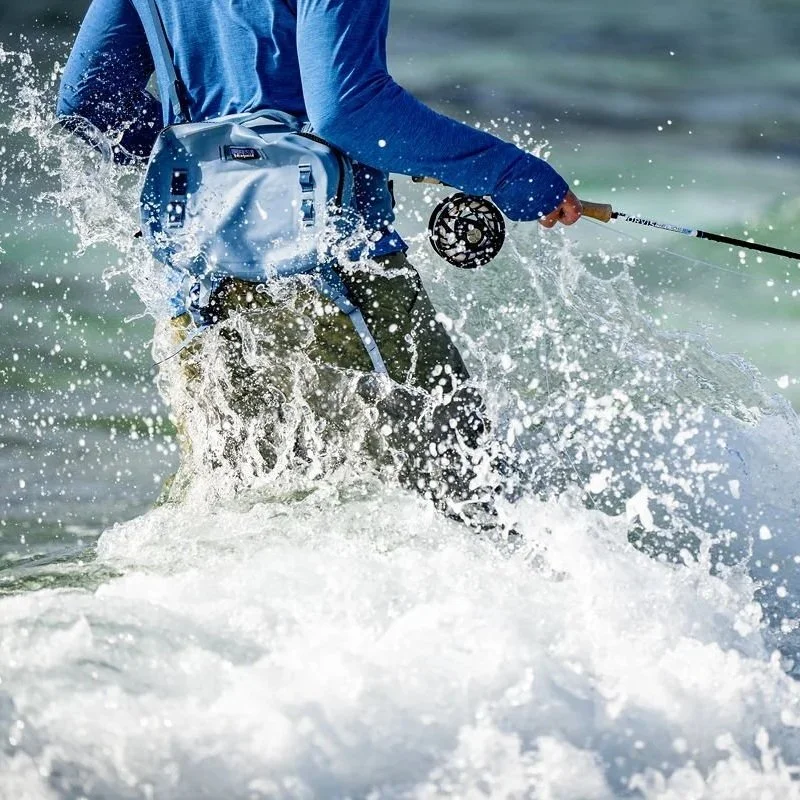
Whether you’re hunting tailing permit in “Permit Alley” or stalking bonefish on the expansive pancake flats of Southern Belize, one of the most important decisions you’ll make before leaving the dock happens at your feet.
A common question many of the anglers who fish with us ask, “Do I really need heavy wading boots, or can I get away with lightweight booties?”
The answer depends on a number of variables, but either choice of footwear can be the difference between a legendary day and a trip-ending injury. Here’s the breakdown of wading boots versus booties for fishing the flats near Blue Horizon Lodge.
The Belizean Terrain: Why Footwear Matters
Unlike the soft, sandy bottoms you might find in parts of the Bahamas or Florida, Belizean flats are diverse. Within a few hundred yards, you might transition from soft turtle grass to jagged coral rubble, "marl" (slick mud), or a mix of all types of bottom.
Beyond the ur flats are home to more than just fish. Sea urchins, small hermit crabs, juvenile conch, and stingrays are all part of the ecosystem. While your guide will help you navigate safely, having a physical barrier between your skin and the reef is essential.
Wading Booties: The Lightweight Contender
Best For: Boat-based fishing and "quick-strike" wading.
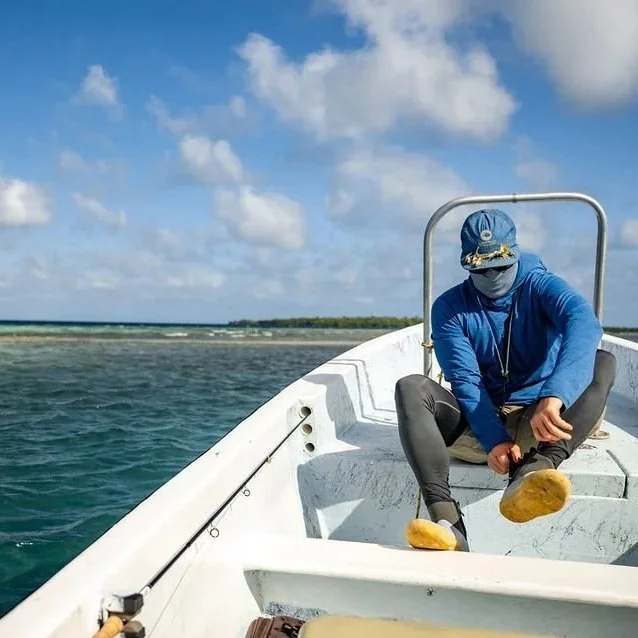
Booties (like the Simms ZipIt or Orvis Christmas Island Bootie) are typically made of thin neoprene with a flexible rubber sole.
The Pros: They are incredibly lightweight and easy to slip on and off. If you spend 90% of your day on the bow of the skiff and only hop out for a 20-minute stalk on a sandy ridge, booties are a dream. They don't mar the boat deck and feel like wearing a heavy-duty sock.
The Cons: They offer very little ankle support. On the uneven, "pothole" filled flats of Southern Belize, it is easy to roll an ankle in soft booties. They also offer minimal protection against sharp coral or sea urchin spines, which can pierce thin rubber soles.
Wading Boots: The Heavy-Duty Champion
Best For: Dedicated wading, long stalks, and "Permit Alley" veterans.
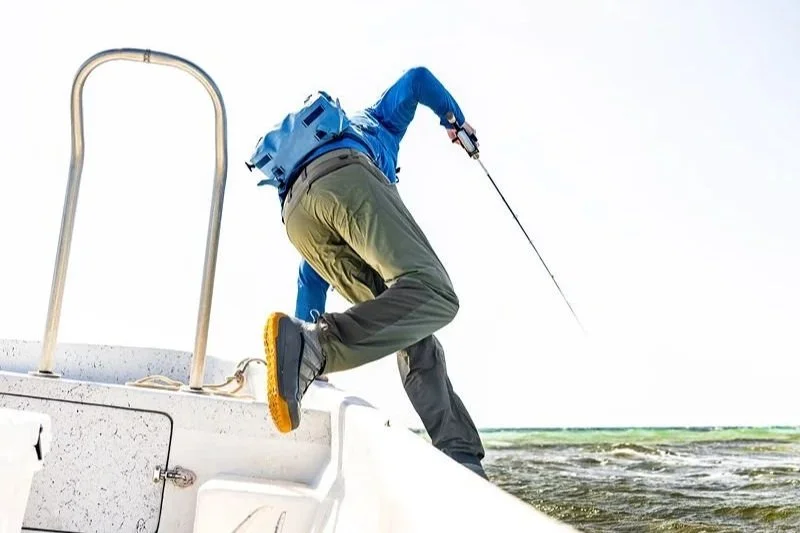
Technical flats boots (like the Simms Flats Sneaker) look and feel more like a hiking boot designed for the water.
The Pros: Support and protection. When you’re chasing a permit that is moving faster than you can walk, you need to move with confidence. A hard-soled boot protects you from coral and provides the stability needed to navigate uneven terrain for hours. If you plan on doing DIY wading or spending several hours on your feet, these are non-negotiable.
The Cons: They are heavier to pack and take longer to lace up. If a school of fish appears suddenly, you don’t want to be fumbling with laces while the permit of a lifetime swims away.
The Blue Horizon Recommendation
For the anglers visiting us at Blue Horizon Lodge, we generally recommend hard-soled wading boots. Because we specialize in permit—the most challenging fish on the flats—we often find ourselves getting out of the boat to get into the perfect casting position. Being able to walk 300 yards over a mix of coral and grass without worrying about your feet allows you to focus 100% on the fish.
Pro-Tip: If you choose lace-up boots, consider "gravel guards" or wearing a pair of neoprene socks inside. This prevents sand and small coral fragments from getting inside your boots and grinding against your skin all day.
Which should you pack?
Pack Booties if: You have sensitive feet, prefer fishing from the boat, and are visiting during a season where you expect to stay dry-decked most of the day.
Pack Boots if: You are a "hardcore" wader, want maximum protection from the reef, or are determined to stalk permit on foot.
At the end of the day, your gear should never be the reason you miss a shot. Choose the footwear that gives you the confidence to move.
Ready to test your tread on Permit Alley? Book your trip with Blue Horizon Belize today.